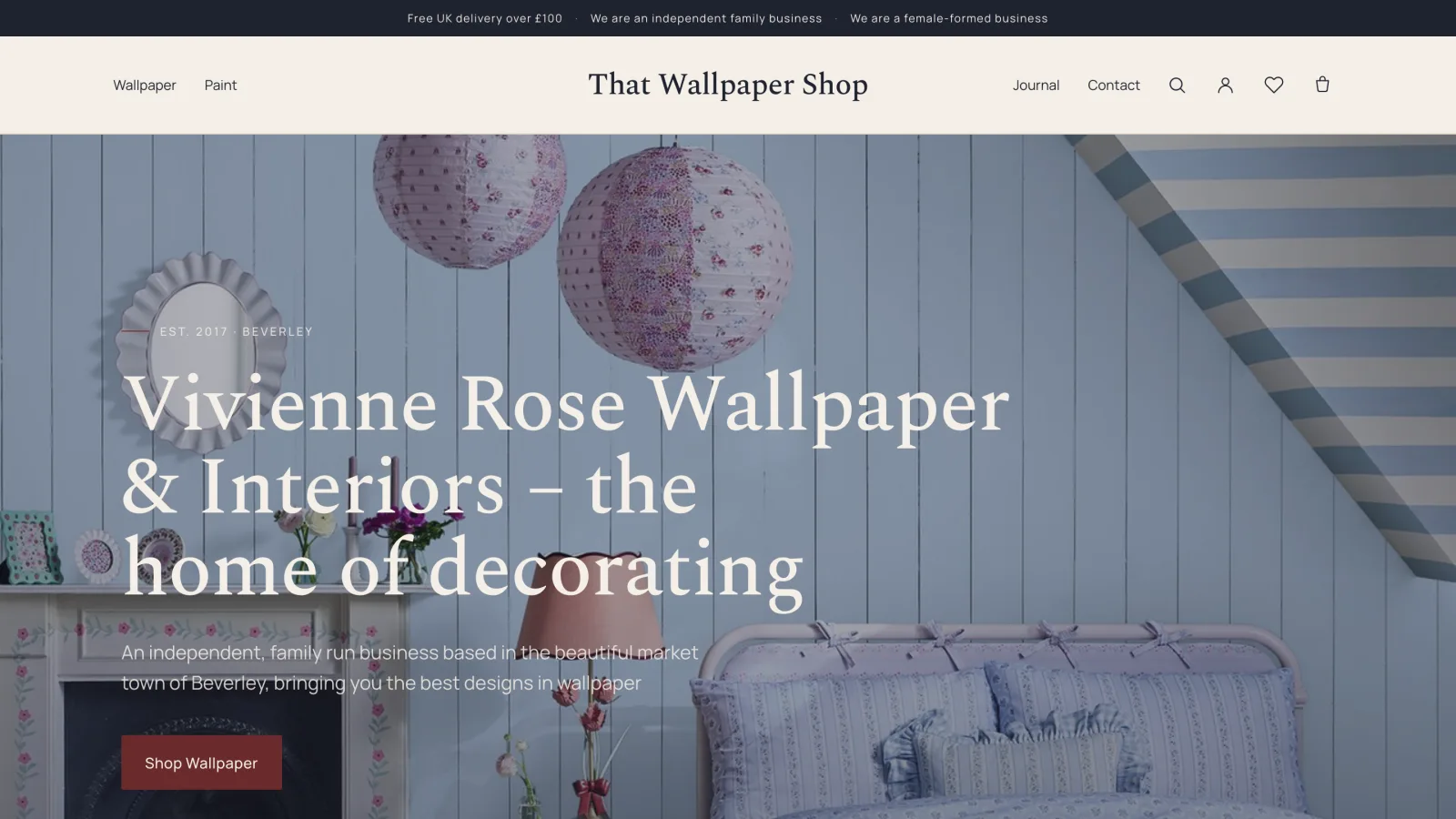
Someone finds a tattoo artist on Instagram, likes the work, and taps through to the website. They want to book. The site hands them off to a separate booking app that looks nothing like the studio, asks them to create an account, and shows no real availability. A good number of them give up before they ever reach a date. The artist never finds out it happened.
That gap, between someone wanting to book and actually booking, is where small service businesses lose money quietly, every week.
It matters more now than it used to. People book a table, a haircut, or a tattoo the same way they order a takeaway: on their phone, in under a minute, expecting it to just work. If the process feels clunky or untrustworthy, they don't email to complain. They leave.
The problem with bolted-on booking tools
Most independent studios start with a booking tool stuck on top of whatever website they already have. It charges a monthly fee, it doesn't match the brand, and it lives in its own little world with no real connection to the site around it.
So the customer journey breaks in the middle. They browse the work on one system, get pushed to another to book, and back again to pay. Every handover is a place to lose them. And because the tool isn't really yours, you bend your studio around its limits instead of the other way round.
What it looks like when it's built in
A booking system done properly doesn't feel like a system at all. It lives inside the site. Someone chooses what they want, sees genuine availability based on how the artist actually works, picks a slot, and pays a deposit before they leave the page. The confirmation lands in their inbox looking like it came from the studio, because it did.
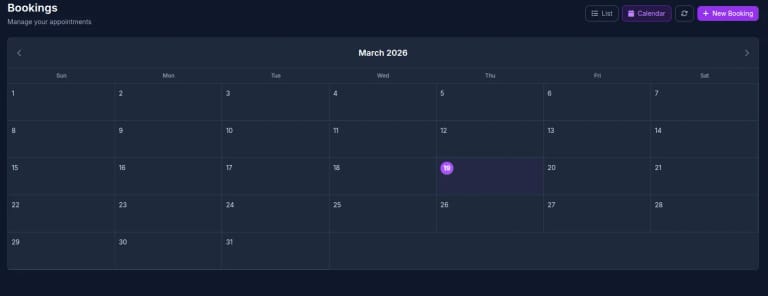
Behind the scenes the owner gets one place to manage everything: the calendar, the deposits, the client details, the emails. No flicking between apps, no exporting and re-importing, no monthly fee for a tool that does one job badly.
A real example: Amour Tattoo, Hull
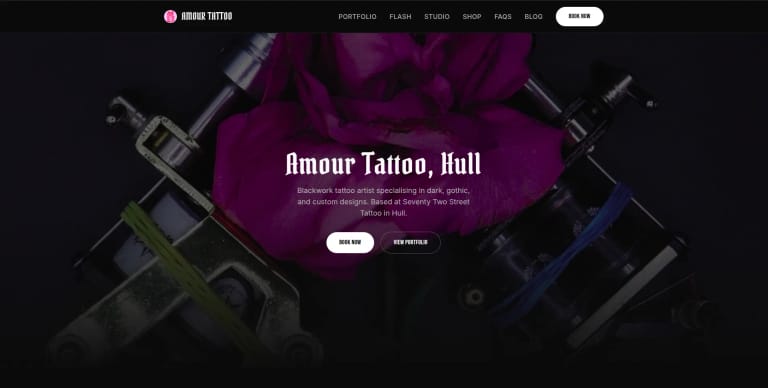
Amour Tattoo is a blackwork and fine-line studio in Hull. The artist wanted one place to run the whole thing rather than a website pulling in one direction and a string of separate tools pulling in others.
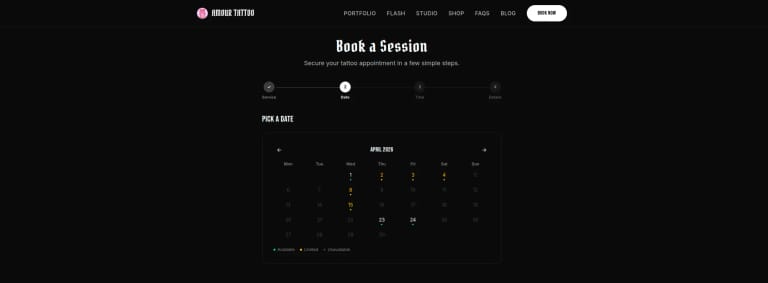
We moved the studio off a restrictive Squarespace setup and rebuilt it so the booking flow lives on the site itself. Clients choose a service, see real availability, and pay a deposit through Stripe at the point of booking. The confirmation and reminder emails are branded to the studio, not to some third-party app. The portfolio and the booking flow finally work together, so the work that wins someone over is one tap from the thing that books them in.
Just as importantly, the site is fast and built to be found locally, which for a studio that lives on its area and its reputation does more than any add-on ever could.
Unknown block type: testimonials
Deposits aren't about distrust
A lot of owners hesitate on deposits because they worry it puts people off. In practice it does the opposite. A deposit filters out the time-wasters and protects the hours a busy artist can't get back. When it is collected smoothly, as a normal part of booking rather than an awkward extra step, clients barely notice it.
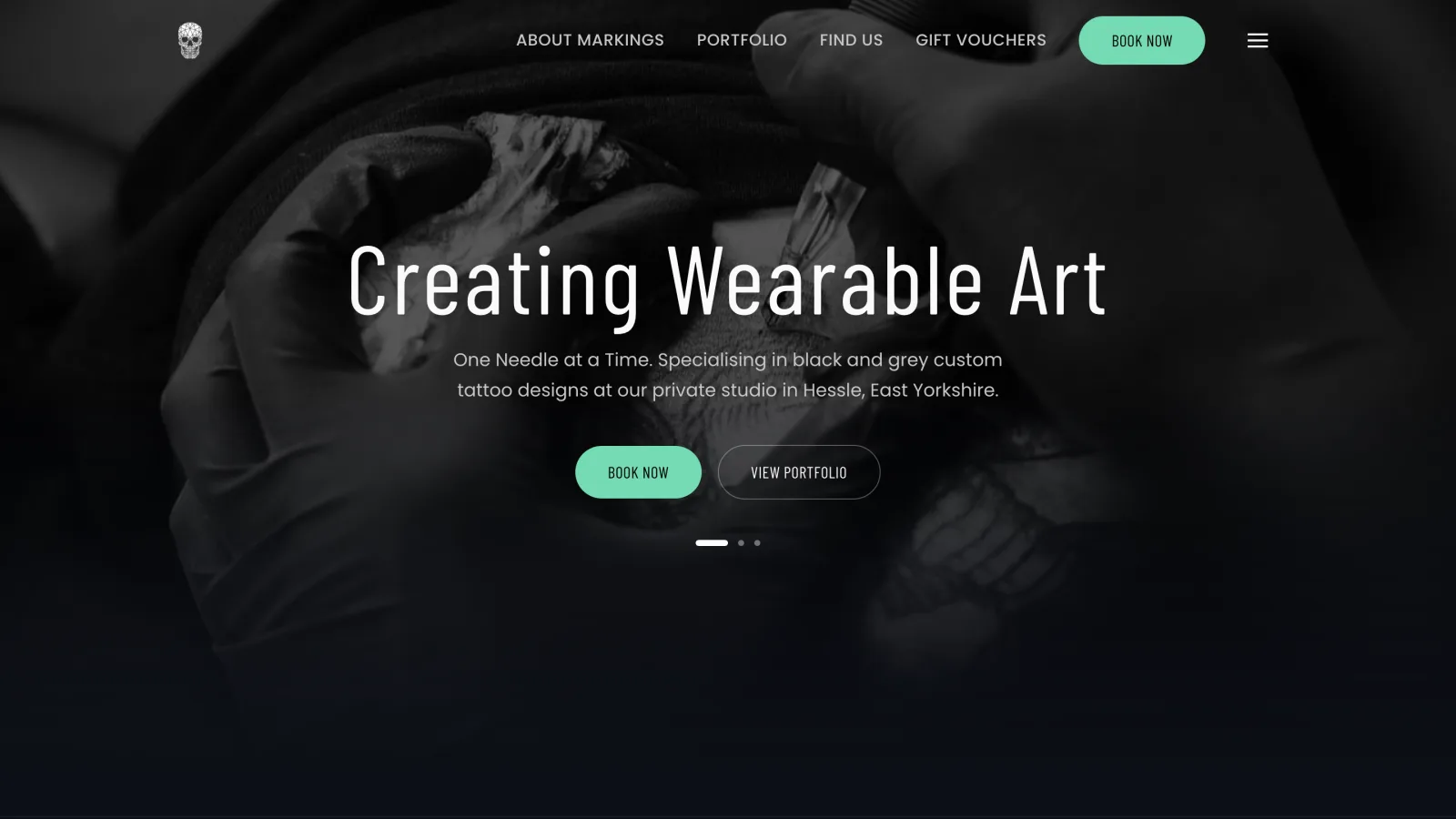
This is the part that separated the Markings Tattoos rebuild. Bookings, client records, and deposit handling all sit in one integrated system, so the studio isn't chasing payments or holding slots on trust. The admin that used to eat into the working day mostly looks after itself.
Where this is heading
Booking is quietly becoming something people expect to do without leaving the site they're already on, the same way they stopped accepting a separate page just to take a card payment. Studios that make it feel effortless will keep winning the bookings that the clunky ones lose without ever realising.
It rarely comes down to working harder on marketing. Often the work is already doing its job, and the booking step is where it falls down.
If your booking process is spread across a website that does one thing and a handful of apps that do the rest, it's worth pulling it into one place that actually fits how you work. That's exactly what HD Bookings is built for: appointments, real availability, deposits, and a client portal, all part of your own site rather than bolted to the side of it.
Bookings, answered
Common questions from studio and salon owners about moving booking onto their own site.
No. The point is to stop juggling two systems. I build the booking flow into the site itself, so clients choose a service, see real availability and pay a deposit without being handed off to a tool that looks nothing like your studio. One system, one place to manage it, no extra monthly fee.
In my experience it does the opposite. A deposit filters out time-wasters and protects hours a busy artist cannot get back. Collected smoothly as a normal part of booking, rather than an awkward extra step, most clients barely notice it. It also means you are not holding slots on trust or chasing payments later.
Yes. People book a tattoo or a haircut the same way they order a takeaway, on their phone in under a minute. A built-in flow lets them pick a slot and pay a deposit there and then, with no account to set up. Every extra step is a place people drop out, so I keep it short.
You get one place for the calendar, the deposits, the client details and the emails. A booking comes in and the deposit, the record and the confirmation all happen in the same step. No flicking between apps, no exporting and re-importing. The admin that used to eat into your day mostly looks after itself.
Yes, that is a common starting point. I moved Amour Tattoo in Hull off a restrictive Squarespace setup and rebuilt the booking flow on their own site. Your services, availability and deposit rules come across, and the confirmation emails end up branded to you rather than to a third-party app.