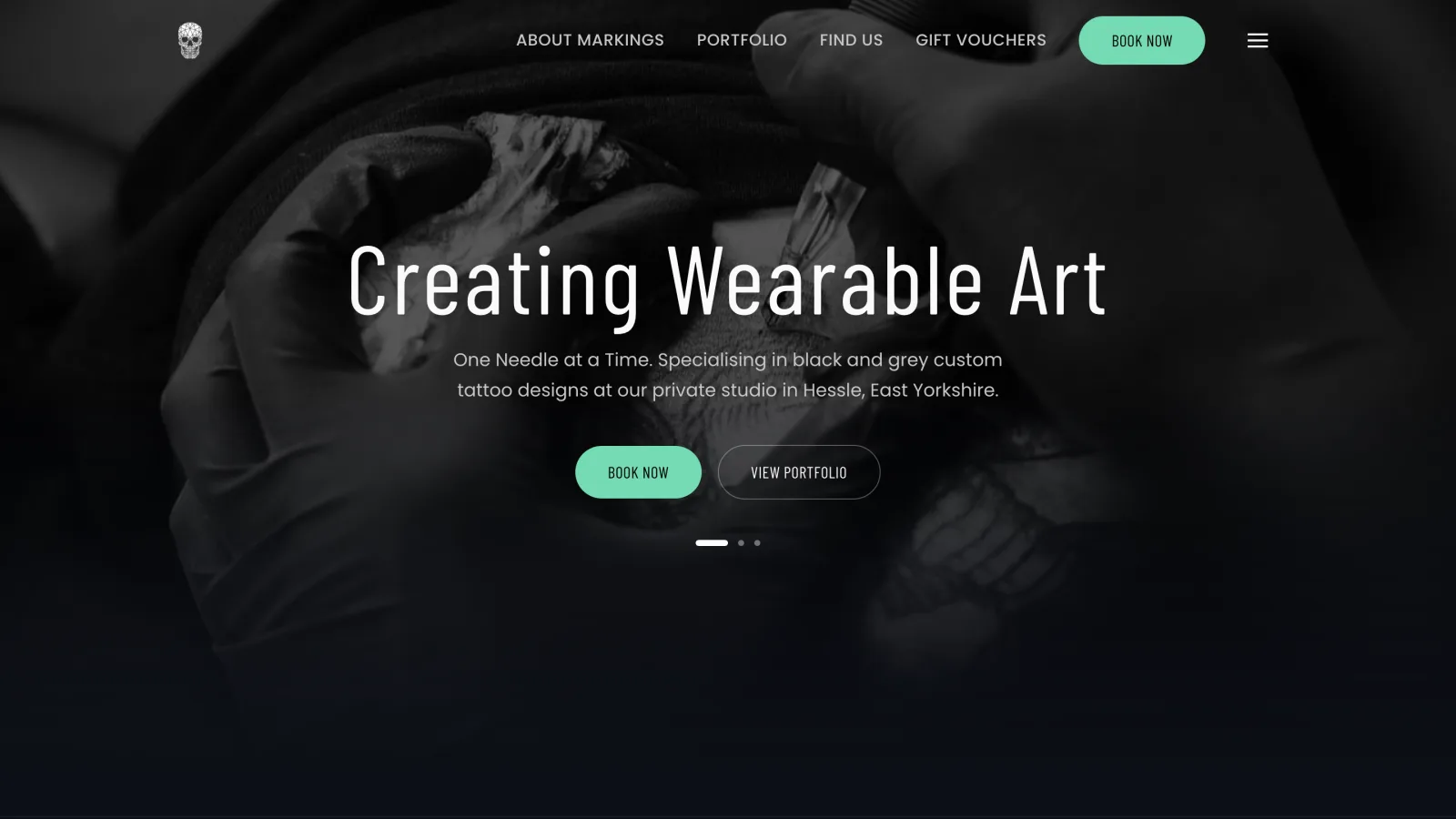
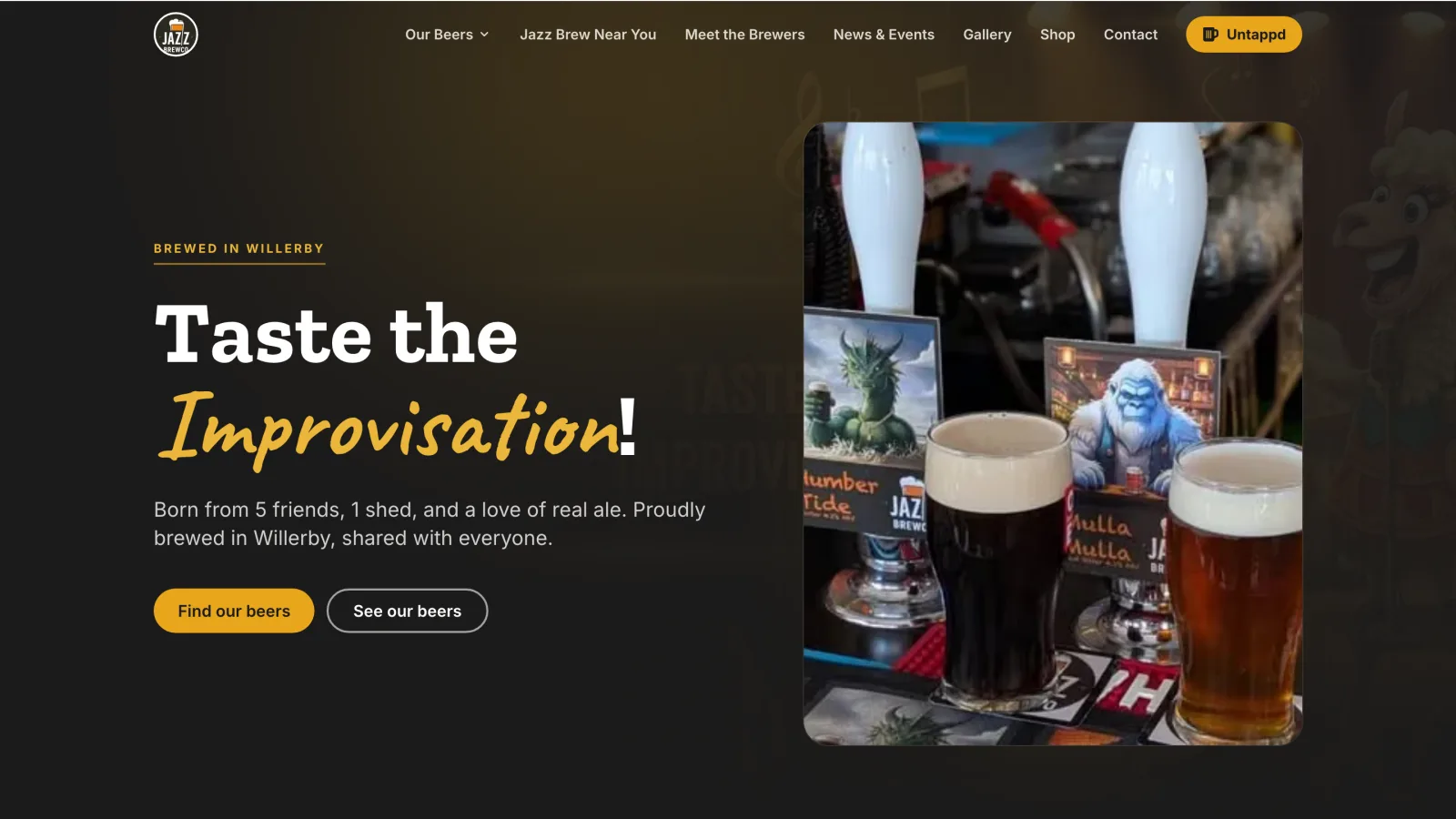
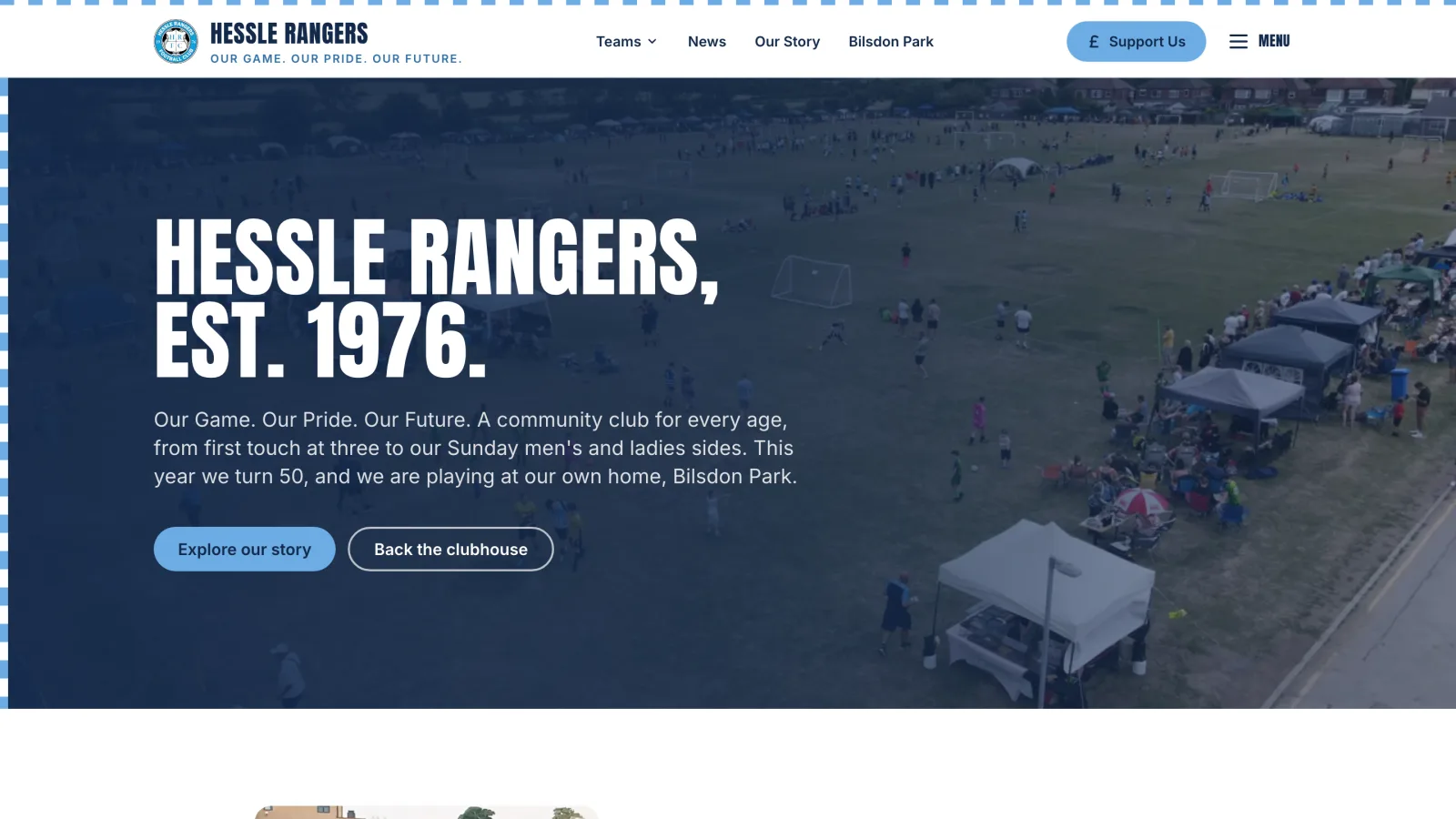
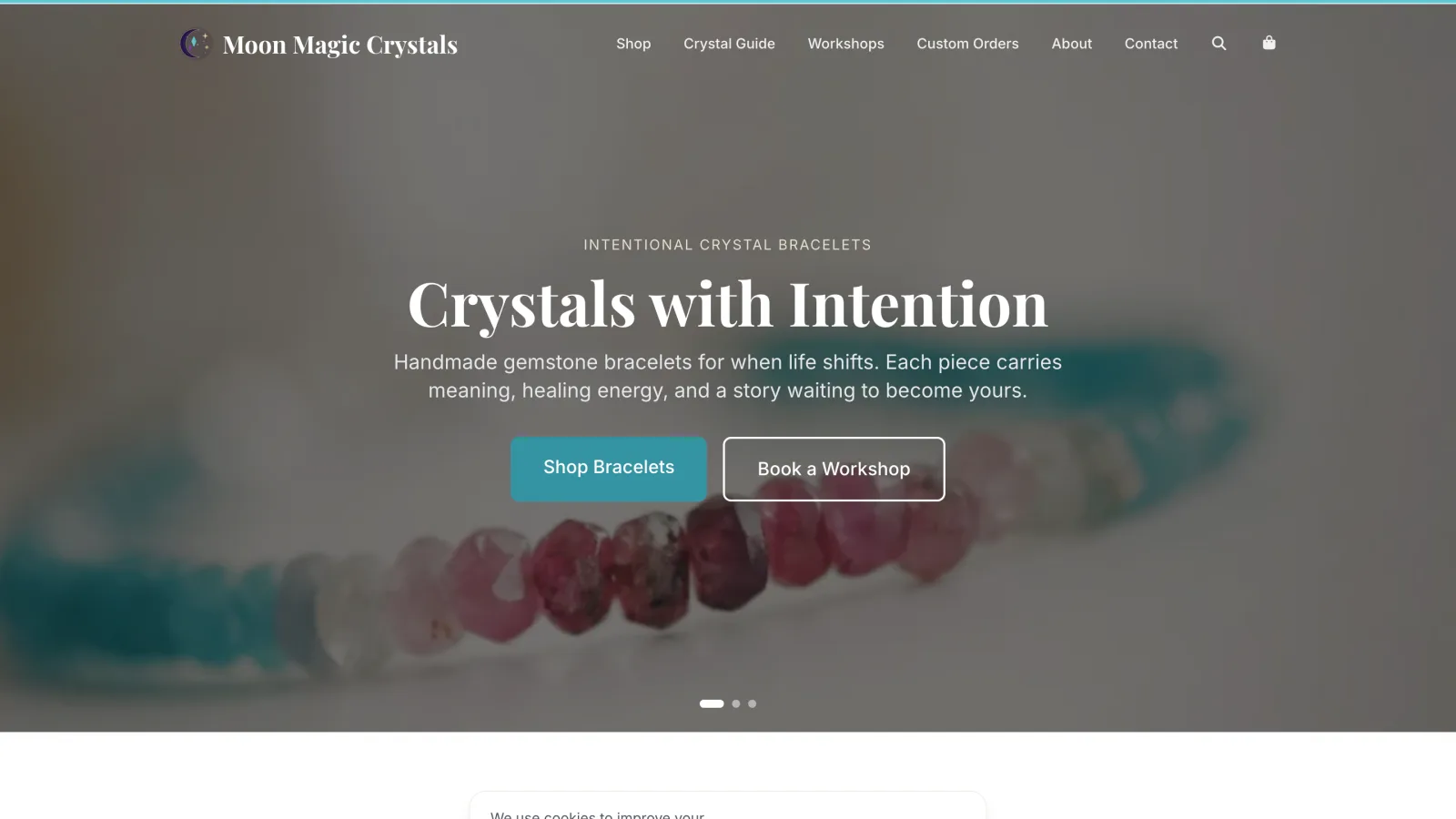
Ask a hair stylist, tattoo artist, or beauty therapist where their bookings come from. The answer is almost always the same: Instagram.
Not their website. Not Google. Instagram. Their portfolio is on Instagram. Their booking link is in their Instagram bio. Their entire marketing strategy is posting reels, stories, and carousels and hoping the algorithm shows them to the right people.
And it works, until it doesn't.
The Algorithm Giveth and the Algorithm Taketh Away
Instagram's reach has been declining for years. In 2019, a post from a business account might reach 20 to 30% of followers organically. In 2025, that number is closer to 5 to 8%. For many accounts, it's lower.
Meta wants businesses to pay for reach. That's the business model. The organic reach you enjoyed for free was always the bait, build your audience on our platform, become dependent on it, then we'll charge you to reach them.
Every service business I've worked with has the same story. "My bookings dropped and I don't know why." They didn't change anything. They didn't post less. The algorithm changed. Their content stopped being shown. Their bookings fell off a cliff.
When your entire client pipeline runs through a platform you don't control, you're one algorithm update away from a bad month. That's not a marketing strategy. That's a vulnerability.
What People Actually Search For
Here's the thing Instagram devotees miss: people are actively searching for your services on Google. Right now. Every day.
"Hair salon Hull." "Tattoo studio near me." "Lash lifts Anlaby." "Wedding makeup East Yorkshire." "Microblading Hull."
These aren't people scrolling passively through a feed hoping to discover you. These are people with intent. They want the service. They want it locally. They're ready to book.
Google processes roughly 8.5 billion searches per day. Instagram has great discovery for visual industries, nobody's denying that. But discovery and intent are different things. A reel gets likes. A Google search gets bookings.
The person searching "tattoo studio Hull" is going to book a tattoo. The person who liked your reel might book a tattoo, if they remember, if they're local, if they come back to your profile, if they find the booking link in your bio. That's a lot of ifs.
Local SEO: The Technical Bit
Local SEO isn't magic. It's a set of technical and content practices that tell Google exactly what you do, where you do it, and why you're the best option in your area. Here's what actually moves the needle:
Google Business Profile
This is the foundation. A complete, verified Google Business Profile with accurate name, address, phone number (NAP), opening hours, service categories, and photos. This is what powers the map pack, the three businesses shown at the top of local search results with the map. Being in that map pack for your primary service + location is worth more than a thousand Instagram followers.
Geo-Tagged Content
Your website needs to explicitly connect your services to your location. Not just a contact page with an address, but structured content that ties service keywords to geographic areas:
- Title tags: "Wedding Hair & Makeup in Hull | Bows Hair" not just "Bows Hair"
- H1 headings: Include location naturally, "Hair Services in Anlaby, Hull"
- Service pages: Each service gets its own page with location-specific content
- Schema markup: LocalBusiness structured data with geo coordinates, service area, and opening hours encoded in JSON-LD that search engines can parse directly
NAP Consistency
Your business name, address, and phone number must be identical everywhere, your website, Google Business Profile, Facebook, Yelp, Yell.com, Thomson Local, industry directories. Inconsistencies confuse Google and dilute your local authority. This sounds tedious because it is. But it matters.
Local Landing Pages
If you serve multiple areas, dedicated landing pages for each location perform significantly better than a single generic services page. "Wedding Makeup Hull," "Wedding Makeup East Yorkshire," "Wedding Makeup York", each with unique, genuinely useful content about serving that area. Not thin doorway pages stuffed with keywords, but real content about your service in that location.
Reviews and Citations
Google reviews are a ranking signal for local search. More importantly, they're a trust signal for potential clients. A hair salon with 150 five-star Google reviews will outrank and out-convert a salon with 5 reviews, regardless of how good their Instagram grid looks.
Citations, mentions of your business on other websites, directories, and local listings, build local authority. Each consistent mention reinforces to Google that your business exists, operates at this address, and provides these services.
Site Speed Is a Ranking Factor
Google uses Core Web Vitals as a ranking signal. Page speed, interactivity, visual stability, they all affect where you appear in search results.
This is where most service business websites fall down. A Squarespace site scoring 20 on mobile PageSpeed isn't just slow for visitors, it's being actively penalised in search rankings. A Wix site with render-blocking JavaScript and unoptimised images is losing positions to competitors with faster sites.
When we migrated Bows Hair from Squarespace to HD CMS, their mobile performance went from 20 to 95. That's not a marginal improvement, it's a completely different tier in Google's eyes. The site went from being penalised for poor performance to being rewarded for excellent performance.
A static site on a CDN edge network loads in under 50 milliseconds. A Squarespace site takes 3 to 5 seconds. For local search rankings, that difference compounds over time. Google serves faster sites more often because users prefer them. More impressions lead to more clicks. More clicks lead to more bookings.
You Own Your Website. You Rent Instagram.
This is the fundamental point. Your website is yours. Your domain, your content, your data, your booking flow. Nobody can change the rules on you overnight.
Instagram is rented space. Meta controls the algorithm, the reach, the terms of service, and the ad prices. They can change any of it at any time. They regularly do.
When someone finds you on Google and lands on your website, you control the entire experience. The design builds trust. The services are clearly presented. The booking button is right there. No distractions, no competitor ads, no algorithmic interference between the visitor and the conversion.
When someone finds you on Instagram, they're in an environment designed to keep them scrolling. Your post competes with their friend's holiday photos, a viral reel, and an ad for something they searched for last week. The path from "saw your post" to "booked an appointment" has a dozen drop-off points.
The Smart Play: Both, But Differently
I'm not saying delete Instagram. For visual service businesses, tattoo artists, hairdressers, makeup artists, photographers, Instagram is a genuine portfolio platform. People want to see your work before they book. That's legitimate.
But Instagram should be a funnel to your website, not the destination. Post your work on Instagram. Build your portfolio there. Engage with your community. But make the call to action "Book via the link in our bio" where that link goes to your website, not a Linktree, not a direct Calendly embed, your actual website.
Your website is where the conversion happens. It's where Google sends people who are actively searching for your services. It's where your brand is fully expressed. It's where the booking flow is frictionless.
Instagram feeds the top of the funnel. Your website closes the deal. Local SEO makes sure Google sends you a steady stream of high-intent visitors who are already looking for exactly what you offer, in the exact area you serve.
That's not dependent on an algorithm. That's not dependent on posting three reels a week. That's a sustainable, compounding marketing channel that gets stronger over time as your site builds authority.
Websites are back. They never really went away, service businesses just forgot they needed them.
The Checklist
Local SEO Essentials
Google Business Profile
Complete, verified, with photos, hours, and correct categories. This powers the map pack.
Schema Markup
LocalBusiness JSON-LD with geo coordinates, service area, opening hours, and contact details.
Service Pages
Dedicated pages per service with location keywords in titles, headings, and content.
Fast Site Speed
90+ Lighthouse scores. Core Web Vitals in the green. Static sites on CDN edge networks win.
Google Reviews
Actively collect and respond to reviews. Quality and quantity both matter for local rankings.
NAP Consistency
Identical name, address, and phone number across every directory, listing, and social profile.
Local SEO, answered
Common questions from salon, studio and clinic owners about getting found on Google instead of relying on Instagram.
No. For visual work like tattoos, hair and makeup, Instagram is a genuine portfolio and people want to see your work before they book. Keep posting there. The change I suggest is making Instagram a funnel to your website rather than the destination, with the booking link pointing at your own site, not a Linktree.
Because you do not control it. Organic reach for business accounts has fallen from twenty or thirty per cent of followers a few years ago to single figures now, and Meta wants you to pay for the rest. When your whole client pipeline runs through a platform you cannot control, you are one algorithm update away from a bad month.
The map pack is the three local businesses Google shows at the top of results with a map. A complete, verified Google Business Profile with your correct name, address, phone, hours, categories and photos is what powers it. Being in that pack for your main service and town is worth more than a thousand followers.
Yes. Google uses Core Web Vitals as a ranking signal, so a slow Squarespace or Wix site is being held back in search, not only losing impatient visitors. When I moved Bows Hair off Squarespace their mobile score went from 20 to 95, which is a different tier in Google's eyes, and faster sites get served more often.
If you serve several areas, a dedicated page for each one performs far better than a single generic services page. The trick is real, useful content about your service in that place, not thin pages stuffed with town names. Each page ties your service keywords to a location Google can match to someone searching nearby.